
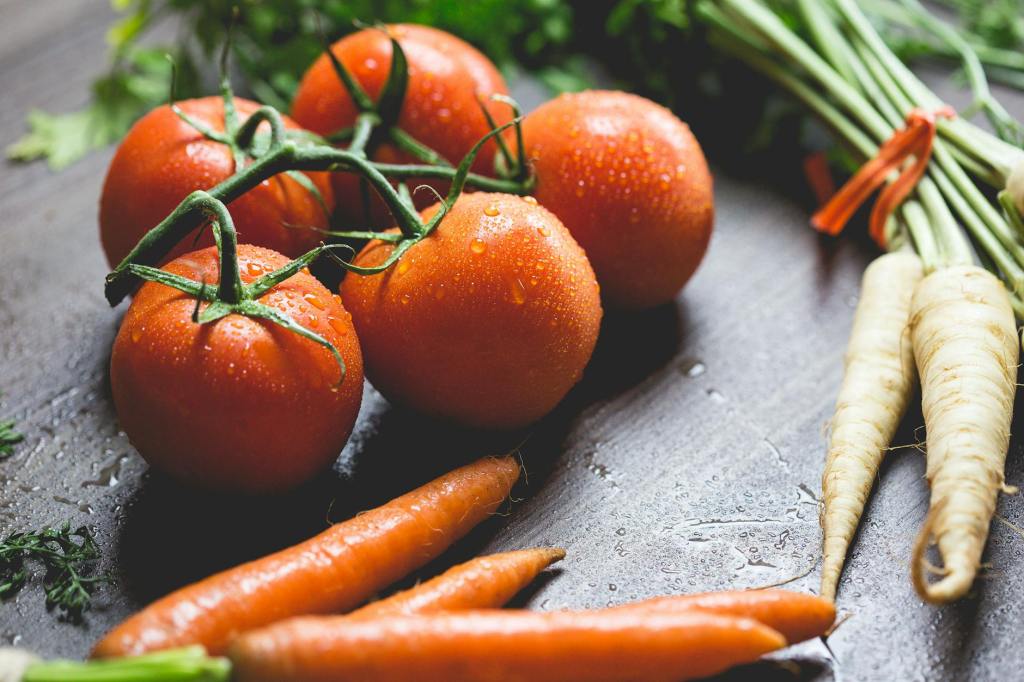
It’s January. Which means that in addition to trying not to freeze on a near-daily basis here in the Midwest, my inbox has been filling with emails from local farms trying to encourage me to sign up for the 2025 summer CSA season.
These emails didn’t just pop up in my inbox for no reason. I’ve subscribed to a few CSA shares from a few local – and not quite as local – farms in the past, so now around this time every year I get offered a discounted rate for the new year’s shares. Pretty cool eh?
I began looking into CSA’s more seriously in 2020 when the pandemic first started and I was (rightfully) concerned about the food system supply chain. I wanted to make sure that our family had access to good quality food while supporting local farms, and in the years we’ve bought shares we’ve been excited to see what variety of produce we’d get every week. My kid would often happily pull out fresh vegetables from the share box and just chow down without me having to nag him to eat his veggies – it was awesome.
With inflation making practically every trip to the grocery store lately providing ample opportunity to practice holding in screams of rage at the truly outrageous pricing on many items (I mean…$7 for a pound of ground turkey?! ARE YOU FUCKING KIDDING ME??), the prospect of spending about the same amount of money or less to support local agriculture and getting access to much higher quality produce is more appealing than ever before.
For those of you not already familiar, CSA stands for Community Supported Agriculture. In a nutshell, a CSA share is when a consumer like me buys a “share” of a farm’s harvest in advance. During the CSA share season you get a box of fresh produce straight from the farm on a weekly basis.
Unlike the grocery store or the farmer’s market, you don’t get to pick what you receive in a share – you get whatever’s being harvested that week, which can be both fun and kind of annoying at the same time when you get vegetables you’ve never heard of in your box and need to figure out how to use it up. Like that time I got kohlrabi. What the fuck do you even do with a vegetable that looks like it’s from outer space?! (pssst – you can roast it, or eat it fresh as part of a salad #themoreyouknow)
Overall, though, CSA shares are a great way to not only support local agriculture but also receive the freshest quality in-season produce possible. Sure, you may not always get what you want because what you receive depends on what’s available for harvest in any given week, but figuring out how to use a shit ton of peppers or a monster-sized Napa cabbage is half the fun.
The main disadvantage of a CSA for many, though, is the upfront cost – it’s often hundreds of dollars to purchase a “standard” share for the season. That said, when you do the math by week it ends up being either about the same amount you’d spend at the grocery store, or even less…and you end up with better produce to boot.
When I first started looking into CSAs, I was overwhelmed by the options available and how much to get (a personal share? standard share? chef’s share? oh my!). Below are a few strategies you can use to pick the perfect one for you this year.
Start by Searching for Local Farms and Checking Out Their Websites
It’s as easy as going to your favorite search engine and searching for farms nearby. If they have a CSA option, check out what they have available. That’s how I found a few options to consider! Also look up local farmer’s markets and see which farms are selling there – oftentimes they’ll have a CSA share option in addition to what they sell at the markets.
Join Local Homesteading, Gardening, and Nature-related Facebook Groups
These groups are a valuable resource for learning about CSAs in general and what’s available on a local/regional scale. Although many farms nowadays have websites and a digital infrastructure for CSA sign-ups, some farmers are not as tech savvy or don’t have a strong online presence.
Enter Facebook groups where people in the know can share intel on local CSA share availability and options. Through these groups I’ve been able to learn about other CSAs that weren’t as easily findable through search engines, as well as what others thought of the experiences they had with the farms. It’s also fun to see what others do with the produce they receive from their CSA shares!
Organize the CSA Information with a Spreadsheet
I quickly discovered that there was a LOT of information to go through when researching CSA options in my area. To help corral all of the intel to make an informed decision I created an online spreadsheet that includes:
- Farm Name: The name of the farm, as well as a link to their website if available.
- Share Size Options: This changes from farm to farm – what’s a standard share size for one farm can be a personal sized one at another, and vice versa.
- A note on size – if you have a smaller family like mine (3 people), you may want to get a smaller option since a shocking amount of produce can often fit into those boxes!
- If you have a larger family, consider purchasing a larger-sized share. Also think about how often you make meals from scratch at home; if you don’t cook a lot, even if you have a larger family maybe go for a smaller option to see if it works for you.
- Pick-up Location: Some farms will deliver to your home once a week for an added fee, or have pick-up locations around the region that you can choose from. Other farms will either require that you come to the farm itself to pick up weekly shares, or can arrange pick-up on days they’re at a local farmer’s market. Determine which option is the best fit for you – for instance, during the earlier days of Covid I did NOT enjoy having to stand in line at a crowded farmer’s market to pick up my share, but nowadays I wouldn’t mind as much.
- Types of Produce: Different farms grow different things, and oftentimes they’ll have a list of what they’re growing on their website. How much you receive of any given item is up to Mother Nature and her whims – like the year we barely got any strawberries in our share because it was super dry, ugh – but you can get a general idea of what to expect and what options might work for you.
- Cost: The cost of the share, which is often due in full before the growing season even starts. The upfront cost can often be a sticker-shock, but when you work it out weekly it ends up sometimes being as much as – if not more affordable – than what you’d get at the supermarket.
- Misc. Extra Info: This is where I put other information that may be helpful in the decision making process. For instance, one of the farms also offers a 20% off discount for CSA members at any of their local farmers markets, as well as the option to add in produce/products not already included in the share.
Overall, I’d recommend that everyone try a CSA share at least once if they’re able to swing it. We haven’t done one the past couple of years except for a blueberry CSA that delivers fresh Michigan blueberries to a local address close to my home (omg, they’re SO FUCKING GOOD), but with inflation going absolutely bonkers and getting increasingly tired of giving my hard-earned money to increasingly greedy oligarchs I’m more tempted to purchase a traditional share this year to support farmers doing great work and helping feed our communities.





 Millennial Sprinkles
Leave a comment