

In this life, I hate wasting three things: time, money, and food.
I’ve become rather adept at implementing strategies to cut down on wasted time and money. Food is the one that has eluded me for a long time, mostly due to a combination of things – like stress, sickness, random cravings, getting sick of eating the same thing over and over and over again, etc.
With food prices getting a bit out of control as of late due to greedflation inflation and my fridge packed to the gulls with expired food and moldy leftovers leading into the holiday season, my twin desire for saving money and food forced me to re-examine my food purchasing and consumption habits.
After clearing out my fridge and pantry over the winter break, to save money and lessen my family’s food waste in the future I challenged myself to see if we could improve our habits in this area. Below are a few strategies that have been working for us that anyone – even you! – can leverage in your quest for a more sustainable food consumption experience moving forward.
Before Grocery Shopping, Shop Your Fridge & Pantry First
Many of us go to the grocery store and purchase foods based on cravings and a vague idea of what’s actually needed to make meals. Oftentimes I’d end up with lots of leftovers that end up going bad and/or ingredients that were used for only one or two recipes and are left to languish past the expiration date in the fridge or cabinet.
To minimize the waste from these past habits, I’ve started “shopping” my fridge and pantry before planning meals and grocery shopping for the week. I take stock of what needs to be used up and plan my meals and shopping list around those items. That way you end up spending less on groceries since you’re using what you already have on hand – all while cutting down on the amount of food that’s tossed out!
Freeze Your Leftovers
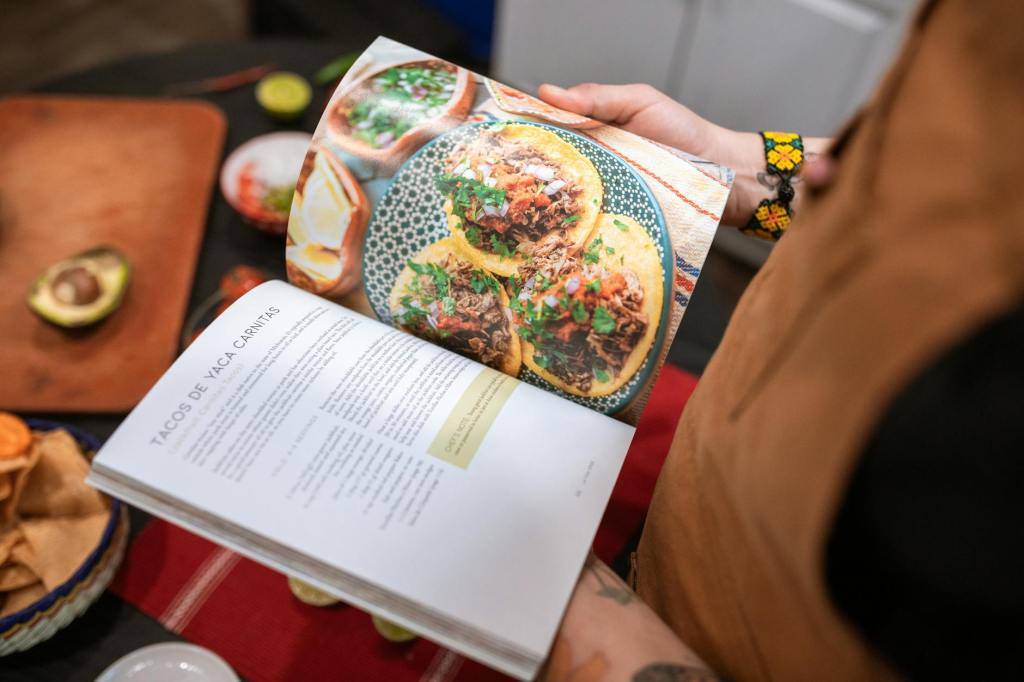
Made a big batch of pulled pork or taco meat but don’t think you can finish it before it starts to spoil? Or, have a leftover knob of ginger or half of a bell pepper that you’re not sure what to do with in the immediate term?
This is where your freezer really comes in handy. Leftovers like cooked meat, soup, stews, and casseroles can be pretty easy to freeze with quart freezer bags (there are also reusable options available if you’re looking to up your sustainability game), Pyrex containers, or mason jars. For some leftover fresh vegetables like bell peppers and onions, you can cut them up and put them on a sheet pan, then after they freeze you can put them in a freezer-safe bag until you’re ready to use them – they work wonderfully in stir fries!
Plan Your Meals for the Week
I have a Google Doc where I keep track of the meals we’re making in a given week, as well as the key ingredients that are needed so that way they don’t get lost in the abyss of the pantry or fridge. When planning meals now I also “shop my house” before I head to the grocery store so that the items that I have on hand are more likely to be used up before going bad.
Sometimes things get shifted around and we end up doing a frozen pizza or breakfast for dinner night instead of a more involved dinner option, but by planning meals ahead of time we are less likely to just go out to eat or wander aimlessly around the kitchen wondering what to make on any given night – because the hard part’s already been done! I typically try to incorporate a larger meal that creates leftovers so that way we can stretch our meals even further for lunches.
Host a Smorgasbord Night
You know those nights where you just don’t want to cook but there are a ton of leftovers in the fridge that need to get consumed ASAP – but don’t really go together (like a stir fry and lasagna)?
Have a Smorgasboard night! Pull everything out that needs to be eaten before mold gets its furry mits on it and use it as an excuse to experience fusion right at home. Or, pull out what you have and make a new dish that goes with it to accompany whatever is leftover – like when I have a bunch of side dishes but no main dish option, I’ll whip up some chicken breasts, thighs, or salmon depending on what I have on hand already.
Incorporating these simple strategies has really helped us cut down our food waste and save some much needed moolah so far this year. Sure, there are other strategies that can also be implemented – like composting – to further combat food waste, but these are a few ways to more easily accomplish this goal in the dead of winter in Midwest suburbia.






 Millennial Sprinkles
Leave a reply to Why I (mostly) Stopped Buying Non-Consumable Items – And How You Can, Too – Millennial Sprinkles Cancel reply